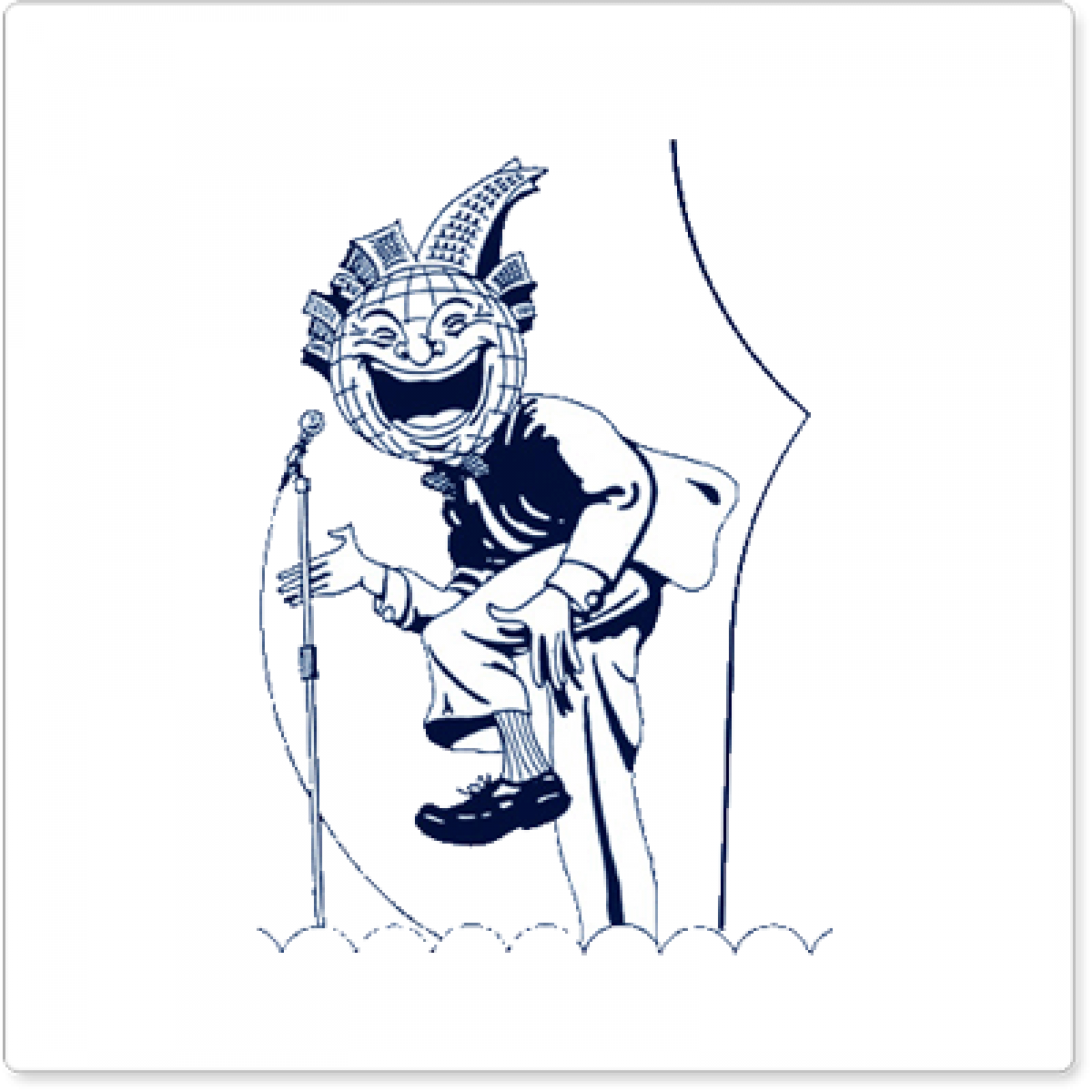
An early San Francisco Comedy Competition illustration.
COMPETITION KILLERS:
A FEATURE DOCUMENTARY ON DECADES OF LAUGHTER IN THE CITY BY THE BAY
GENRES: * DOCUMENTARY * STAND-UP COMEDY * POP CULTURE
SYNOPSIS:
The San Francisco Comedy Competition has been running for most of stand-up comedy’s modern history. As a decades old tradition no one asked for, since 1976, the competition has featured some of the biggest names the art form has ever produced, in all its pain, hilarity, and memory.
Following the tumultuous, revolutionary decade of the 1960’s, television blossoming in color across the United States featured a new generation of nightclub acts emerging to entertain audiences nationwide, both live and on screens.
In the summer of 1972, George Carlin’s routine “Seven Words You Can Never Say on Television” got him arrested in Milwaukee for violating obscenity laws. He beat the charges that December, opening the floodgates for what comedy was to become. In 1975, Carlin hosted the first episode of ‘Saturday Night Live’ and Richard Pryor released his seminal album, ‘Is it Something I Said?’ The American artform had truly arrived, thanks in large part to these two pioneering, counterculture talents that reshaped entertainment from then on.
Enter counterculture icon, the city of San Francisco, where local comedian Frank Kidder conceived of pitting comedians against comedians in a formal competition with a cash prize for the trouble. The San Francisco Comedy Competition was born. The inaugural 1976 competition was won by Bill Farley. The runner-up? Robin Williams.
The fact of Farley’s win and Williams’ almost immediate success following the first SFCC -- Williams won a Grammy for his comedy before the end of the decade -- is believed to have run Farley out of the business. Produced by Jon Fox (third place, 1981) and Anne Fox since inception, who still operate it today, the SFCC delivered another future star in year two when Dana Carvey won. Marsha Warfield won in 1979, and to this day, remains the only woman to win the competiton despite San Francisco’s progressive posture.
The 1980’s featured star-studded names to come: Bobby Slayton, Kevin Pollak, future Bay Area comedy legend Will Durst (1983 winner), Jake Johannsen, (1986 winner), Dana Gould, Rob Schneider, and Mark Curry. 1985 featured a pivotal battle for the top spot, in which Sinbad bested Ellen DeGeneres. The loss is said to have left Ellen DeGeneres contemplating quitting show business. Prior to the peak of comedy in the 1980’s, Fox arranged for a young comedian named Eddie Murphy to appear on local television.
As the comedy boom of the 1980’s subsided, the competition remained an incubator for San Francisco’s reputation as a city that could shape a stand-up comedian into a formdiable headliner or TV and film star. This is best evidenced by the 1993 SFCC top five. Carlos Alazraqui, who went on to star in ‘Reno 911’ beat out Marc Maron and Patton Oswalt, before they each went on to elite comedy careers through film, TV, podcasting and more. 1995 featured a legendary battle for first when Doug Stanhope, fresh from shunning a development deal and leaving behind Hollywood, bested a tireless Dane Cook over the course of a heated three-week run for number one. Stanhope held off Cook in the end, but Stanhope has remained a comic’s comic for his career, while Cook went on to become the rare comedian to headline and sellout stadiums across America.
The millenium saw more diverse voices gaining traction in the SFCC. Future Emmy winner Kevin Avery, Mike E. Winfield, Sammy Obeid, Solomon Georgio, Prashanth Venkataramanujam, and Ellis Rodriguez have punched their ticket to real comedy careers through surviving the strenous grind that is the SFCC.
What place does a nearly month-long comedy competition open to comedians from all over the world descending upon comedy clubs, theaters, bars, old folks homes, and Native American reservation casinos have in entertainment? Who are the judges and why are they other comics and wait staff that got off early? What seven-part criteria is employed to determine five finalists, and eventually one winner? Why would anyone travel for almost a full month to work without pay, just to make strangers laugh? Exactly.
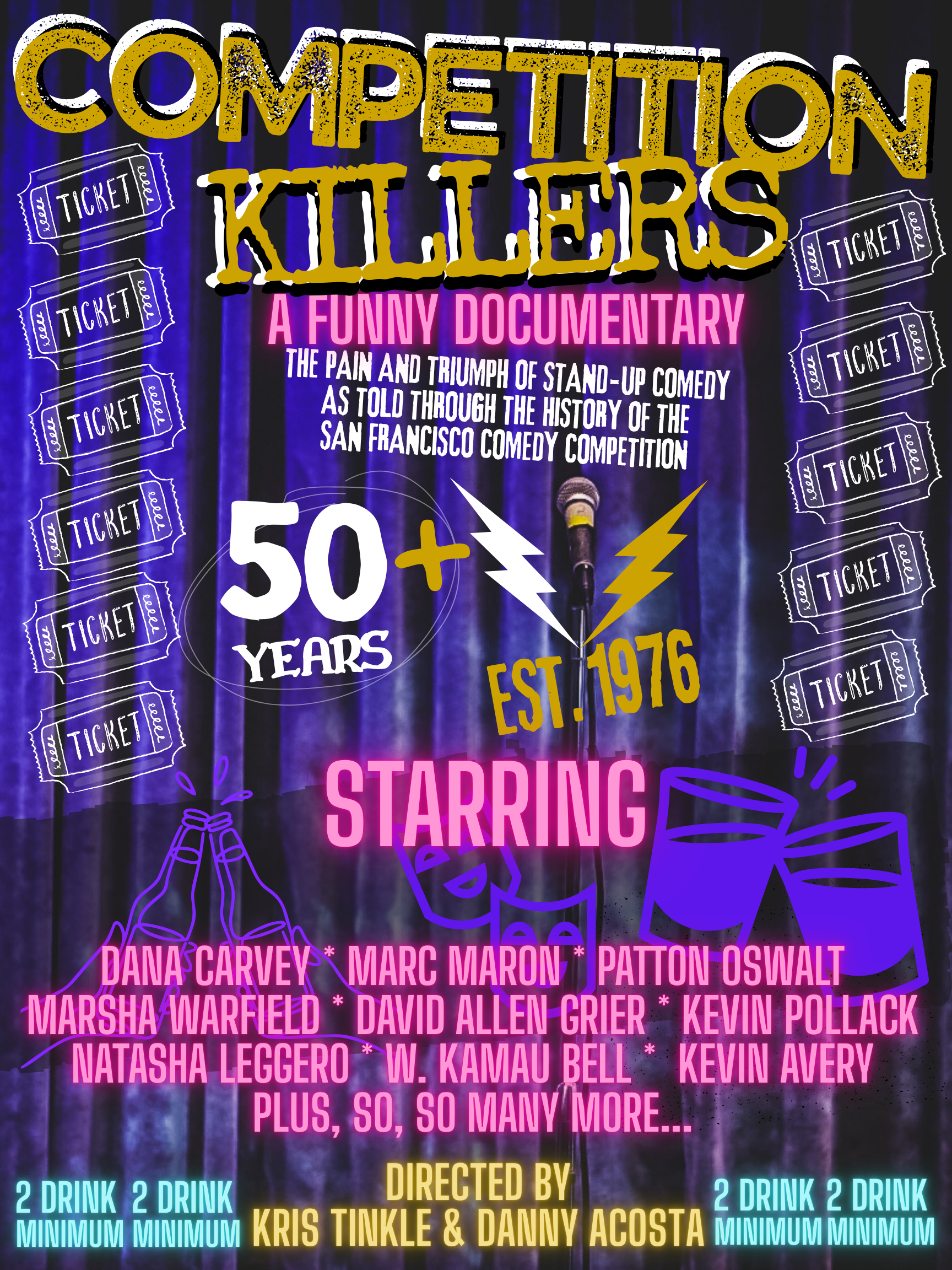
The San Francisco Comedy Competition does not feature Fillmore-level poster art.
NOTABLE INTERVIEWS
THE 70’S & 80’S
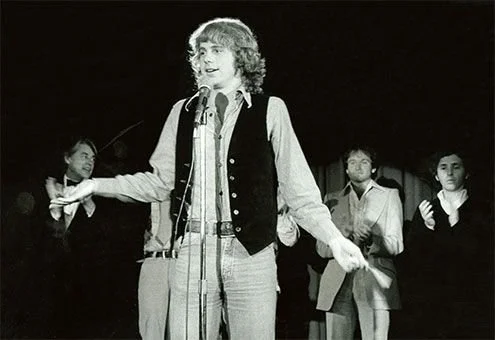
DANA CARVEY:
A year after Robin Williams was the inagural runner-up, Carvey won the second ever San Francisco Comedy Competition in 1977, then went on to “SNL” and feature film fame.
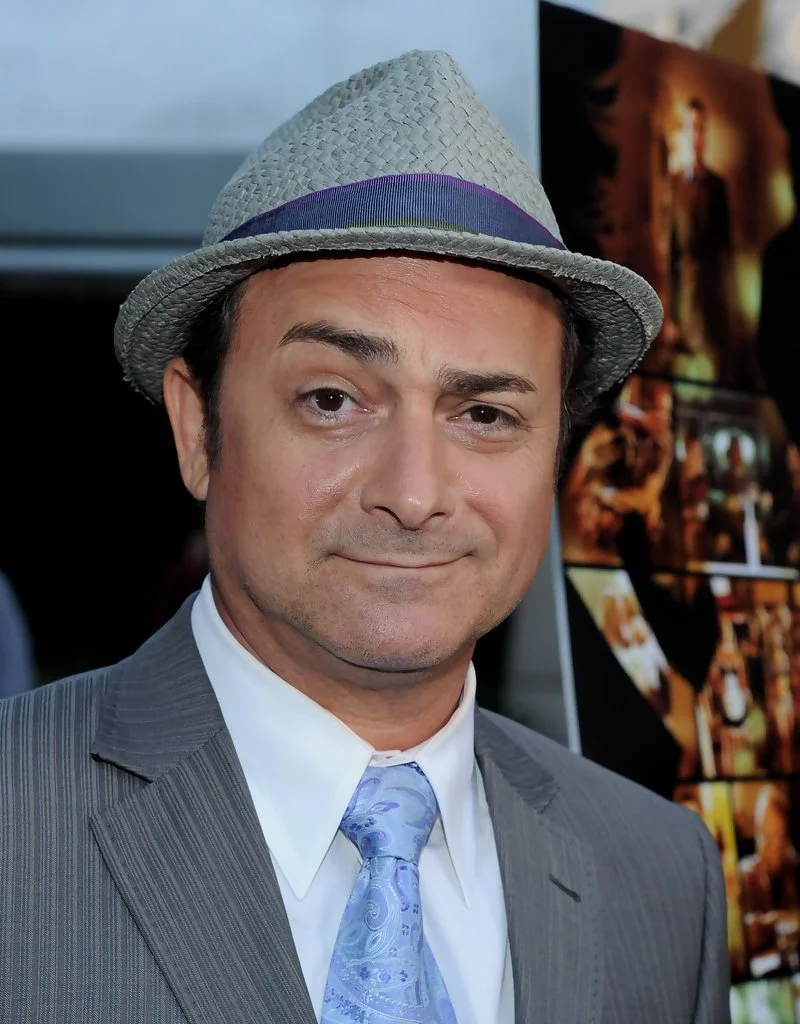
KEVIN POLLACK:
A runner-up in 1982, Kevin Pollak remains a comedy staple in film, but has also made his mark in dramatic roles including ‘A Few Good Men,’ ‘The Usual Suspects,’ and ‘Casino.’
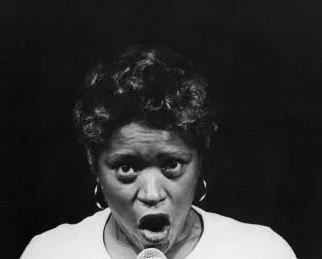
MARSHA WARFIELD:
The only woman to ever win the San Francisco Comedy Competiton to this day, Warfield’s 1979 run led her to a starring role on the 1980’s hit TV sitcom “Night Court.”
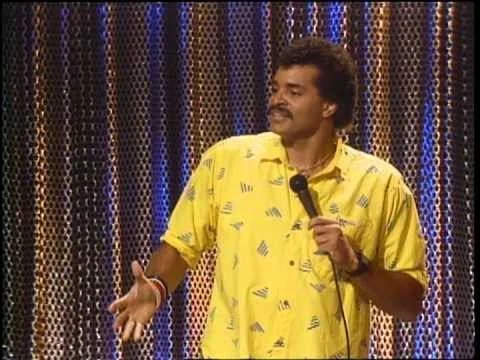
SINBAD
1985’s winner, Sinbad disheartened the runner-up, Ellen Degeneres, so much, she nearly quit show business. Sinbad went on to TV and film stardom.
NOTABLE INTERVIEWS
THE 90’S
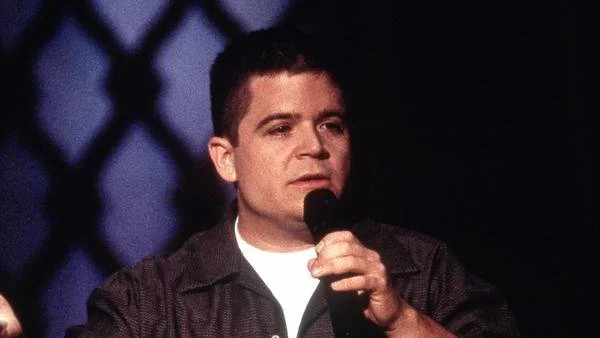
PATTON OSWALT
Oswalt’s fifth place finish in 1992 makes for one of the most decorated classes in SFCC history. Oswalt’s dynamic career has included major TV sitcoms, animated films and comedy specials.
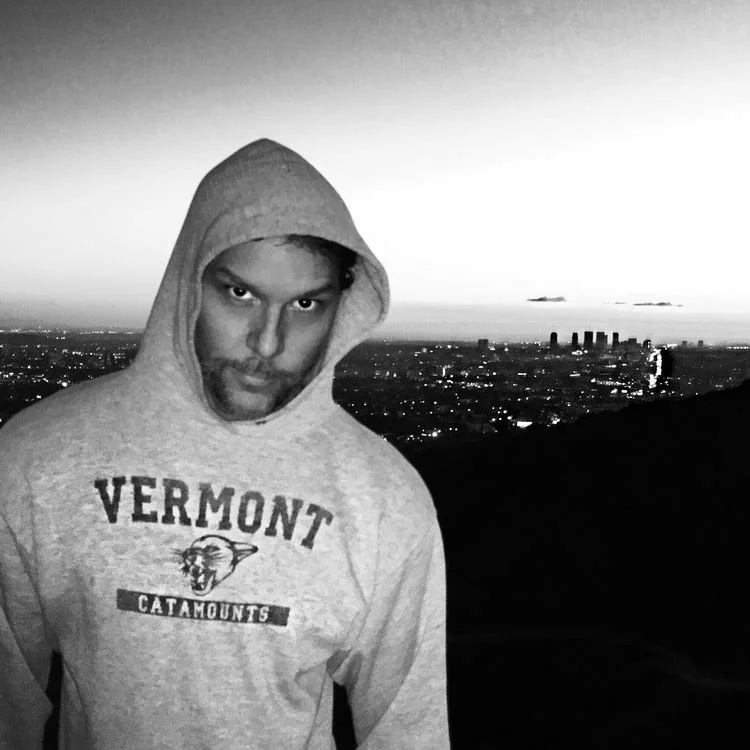
DANE COOK
For three weeks in 1995, Cook trailed Stanhope with all the fervor of an unproven, heavy-hitting contender. Cook held second place, before going on to become the rare comic to sell out sadiums.
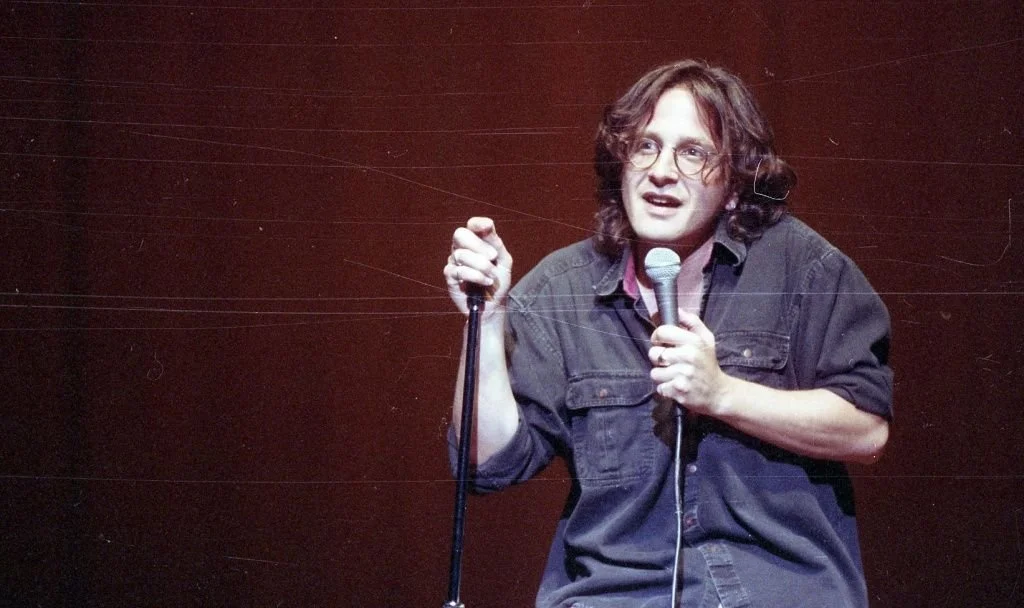
MARC MARON
Decades before he’d help put podcasting on the map, Marc Maron was runner-up in the 1992 competition. He lost out to future ‘Reno 911’ star Carlos Alazraqui.
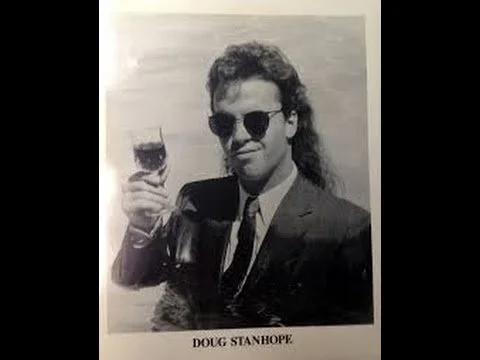
DOUG STANHOPE
In 1995, Stanhope shunned a development deal he had and life in Hollywood to punch his ticket as a comic’s comic, beating out future comedy mega-star Dane Cook for the SFCC’s top spot.
NOTABLE INTERVIEWS
THE MILLENIUM, COMPETITION & BEYOND

NATASHA LEGGERO
A judge on a NBC stand-up comedy competition, Leggero will be one of many comedy stars to not have competed in the SFCC to discuss the merits (or lacktherof) of the battling format.
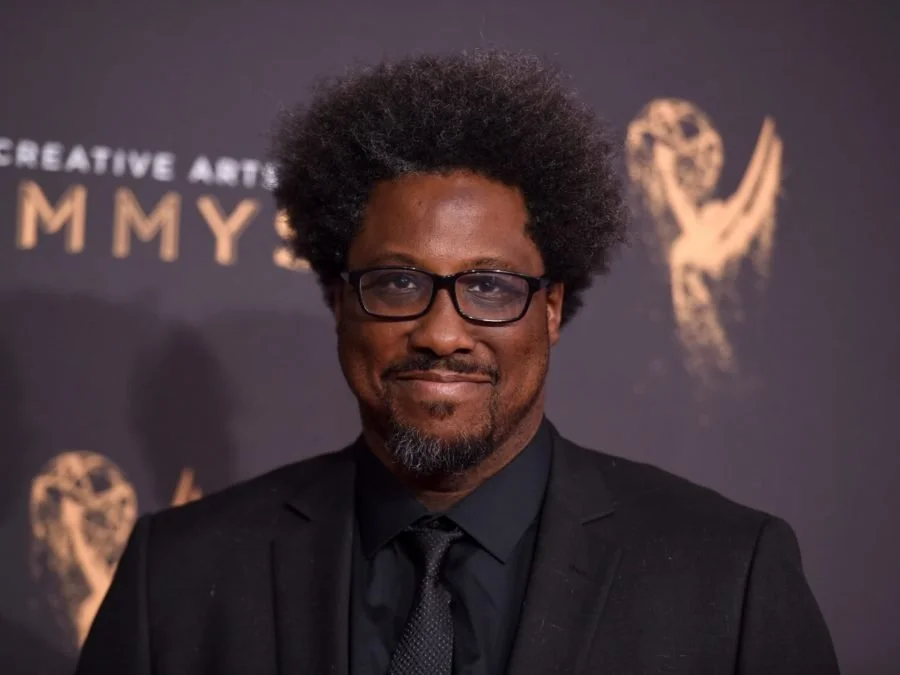
W. KAMAU BELL
From the Bay Area comedy scene to CNN, Bell’s Emmy-nominated work and compelling sociopolitical analysis make him a prime expert to contextualize the SFCC’s place in comedy history.
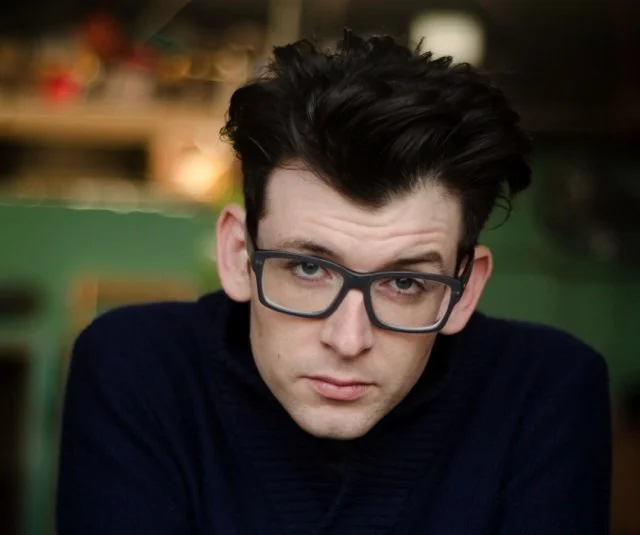
MOSHE KASHER
Kasher was one of many San Francisco-based comedians of the 2000’s to not place in the competition but go on to major acclaim as a stand-up comedy headliner on the national scene.
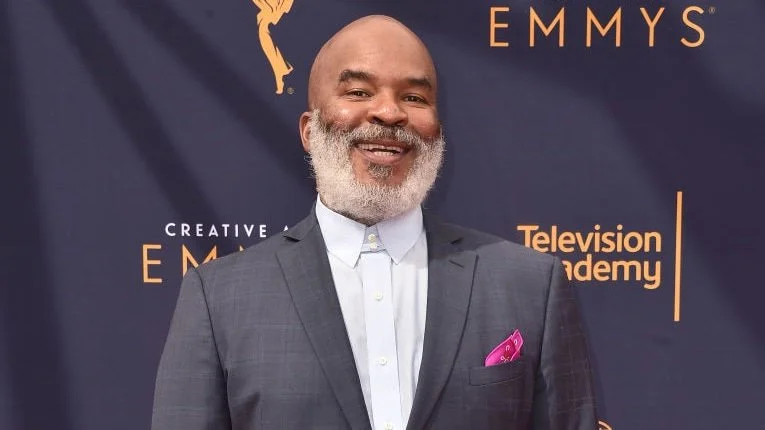
DAVID ALLEN GRIER
Recognized as one of the 100 greatest stand-ups of all-time by Comedy Central, Grier is the kind of respected voice that will break down the pitfalls of judging a subjective art like comedy
THE BOTTOM LINE:
The amount of notable, accomplished winners & runners-up, past participants, and non-SFCC alumni comedians available to add commentary and laughs to the documentary makes this a hilarious, introspective, star-studded entertainment history and pop culture feature project.
PRODUCTION TEAM
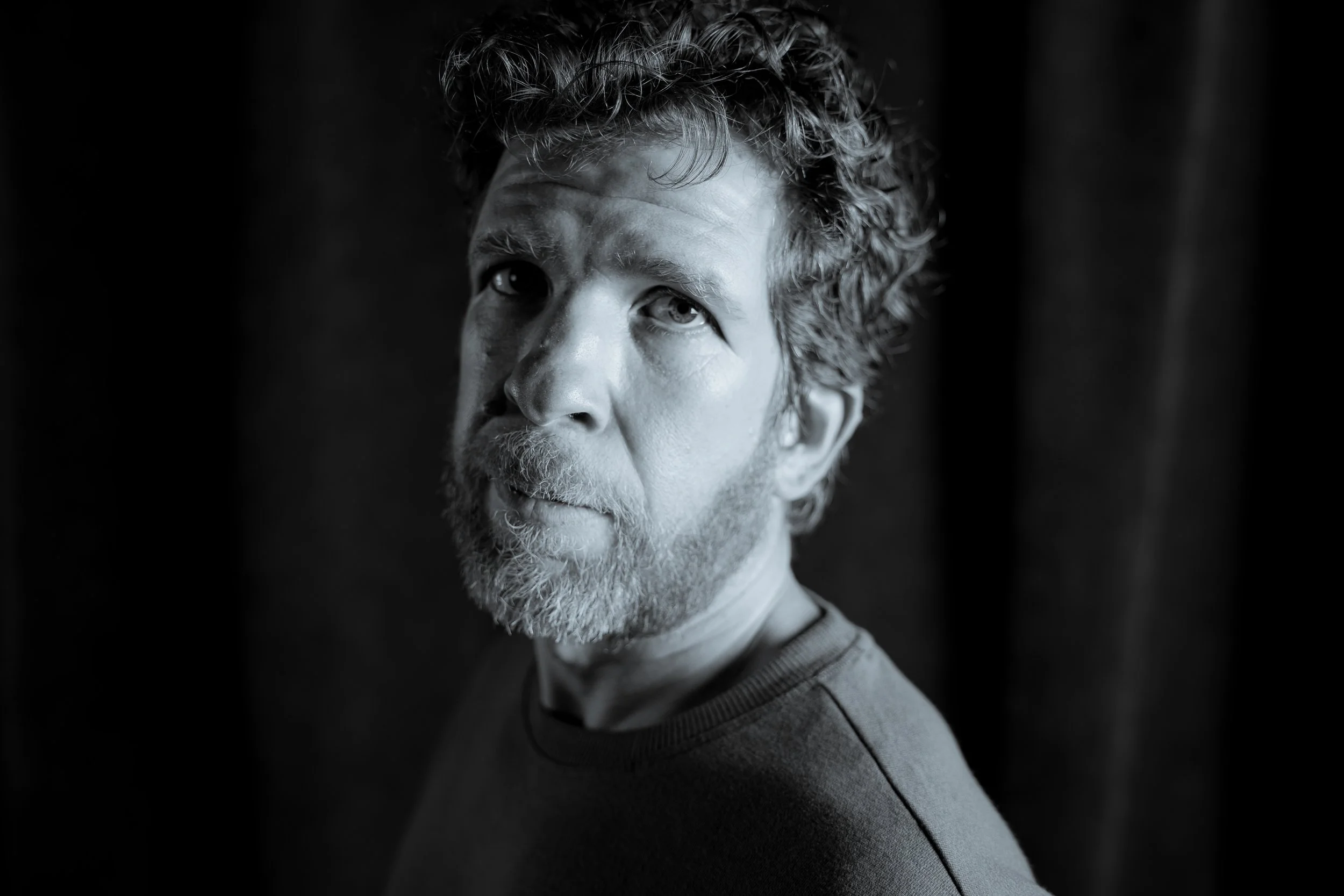
KRIS TINKLE
Kris Tinkle has decades of stand-up comedy experience to go along with over 13 million streams on Spotify, Pandora, and other digital platforms between his three albums. Tinkle has performed worldwide for the USO and traveled as a member of the Bill Burr “All In” tour. In addition to regularly opening for Dave Chappelle, Tinle has appeared on “Gotham Comedy Live”; “The Artie Lange Show”; and in the Netflix documentary, “I Am Road Comic.”
Tinkle has produced for Comedy Central, SiriusXM, and was the head writer for MTV’s hit comedy, “Broke Ass Game Show.” He placed 5th in the 2018 San Francisco Comedy Competition.
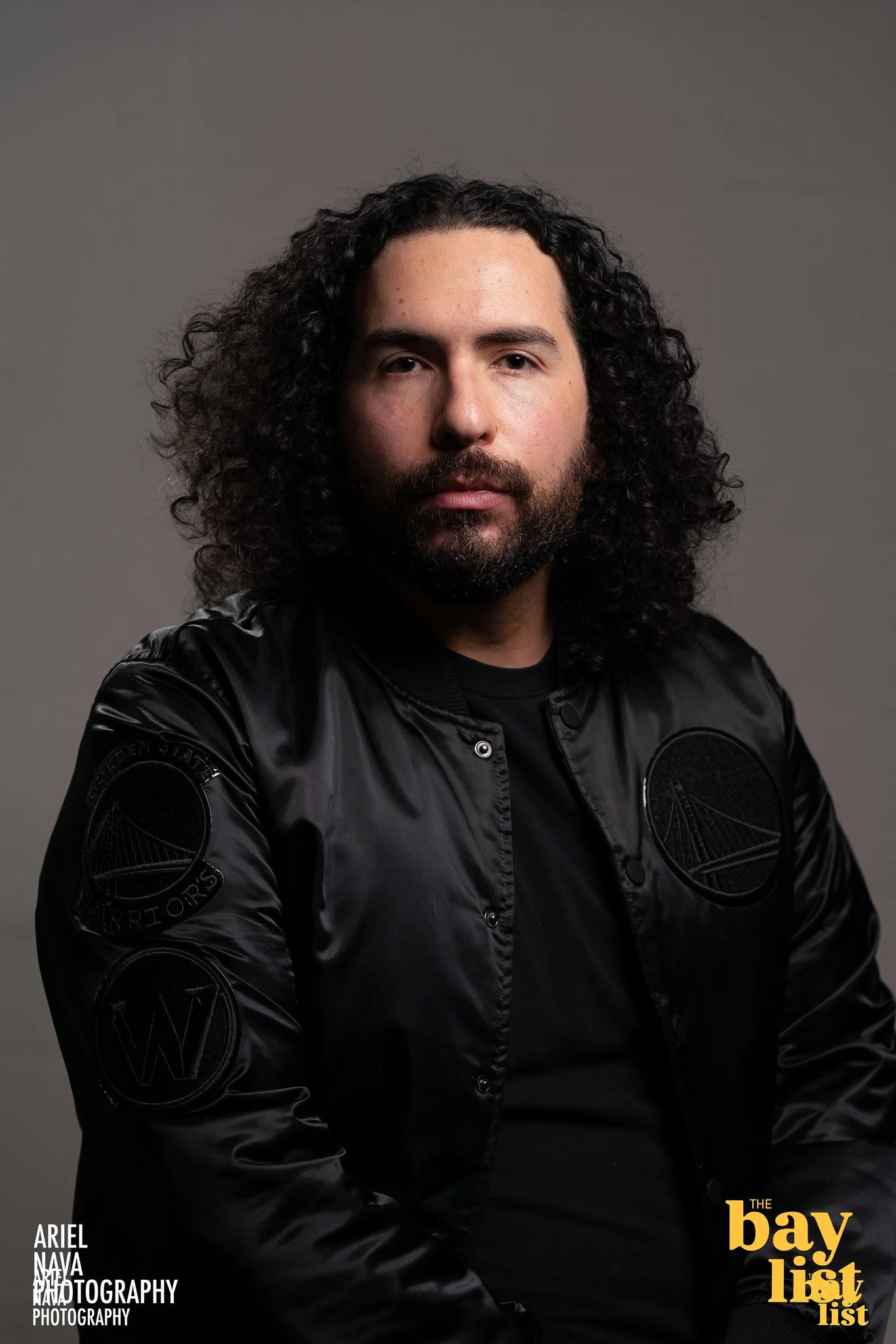
DANNY ACOSTA
Danny Acosta has written (Rolling Stone, Vice, Maxim) and produced (Bleacher Report, SiriusXM, FOX Sports) for major publications across media. He co-wrote the feature film “Green Rush” distributed via Lionsgate and is also a photographer, with his work appearing on KQED.
DIRECTOR’S STATEMENT
We’ve been fans of comedy since before we could remember. Vinyl records and cassette tapes, joke books and staying up late to turn on the TV hoping a comedian would be booked on a late night talk show. Then it was CD’s and being old enough to go to comedy shows. Hanging out in the back of comedy clubs, watching, studying, wondering ‘is that something I can do?’ when it is done well, and being terrified to do it when witnessing a comic getting no laughs.
Despite trepidation, and for both of us, a childhood stutter that pops up now-and-again, we got on stages around the Bay Area and started calling ourselves comedians.
For Tinkle, it has become a career, with performances around the world, decades of experience, three comedy albums, over ten milion listens on streaming platforms, and working alongside the biggest names in comedy, plus a fifth place finish in the 2018 San Francisco Comedy Competition.
During a conversation with longtime friend and collaborator, Acosta -- whose comedy has yet to graduate the Bay Area but independent film work has made it to Hollywood -- in which Tinkle expressed the highs and lows of the SFCC, it dawned on Tinkle and Acosta the story of the SFCC is a crucial prism to understand the history of comedy and the medium itself.
Stand-up comedy is an American artform, exported all over the world. It’s a celebration of youth, a hive mind of creativity, a fun way to deal with getting older and the brutal realities of life. Being a comedian means gambling on something no one can see for years to come. It’s betting on how one can make whole groups of strangers feel. It’s a bet against anxiety, depression, substance abuse, an endorsement of one’s own will power, survival skills, and determination, all fueled by a perspective, and hopefully a sense of humor.
There’s no money in it for years and years, if ever. Comedy is everywhere, in everything, even when we don’t want it to be. More often than not, the laughs comedy brings, and the communities it can create, is the thing that keeps us going one more day. Comedy, for the performer, often feels marvelous or like a mistake with little to no in-between.
Our goal wth this documentary is to preserve the history, share the laughs, and pursue the question with no answer: how the f*** can you pick a winner in a competition of objective art?
- Kris Tinkle & Danny Acosta
“I BELIEVE IN DESTINY.
THERE MUST BE A REASON THAT I AM AS I AM.
THERE MUST BE.”
- ROBIN WILLIAMS